
JAPAN
The Old Roads of
Central Honshu
The winters created architectural silhouettes that mirrored the mountains. Short growing seasons turned villagers to crafts, rooted in the materials and rhythms of the landscape: indigo dyeing, lacquerware, and blade-making. Temples rise deep in the cedar forests. Ancient highways thread through the post towns. In these highlands, older ways of life endure, passed from one generation to the next through craft, ritual, and daily practice.
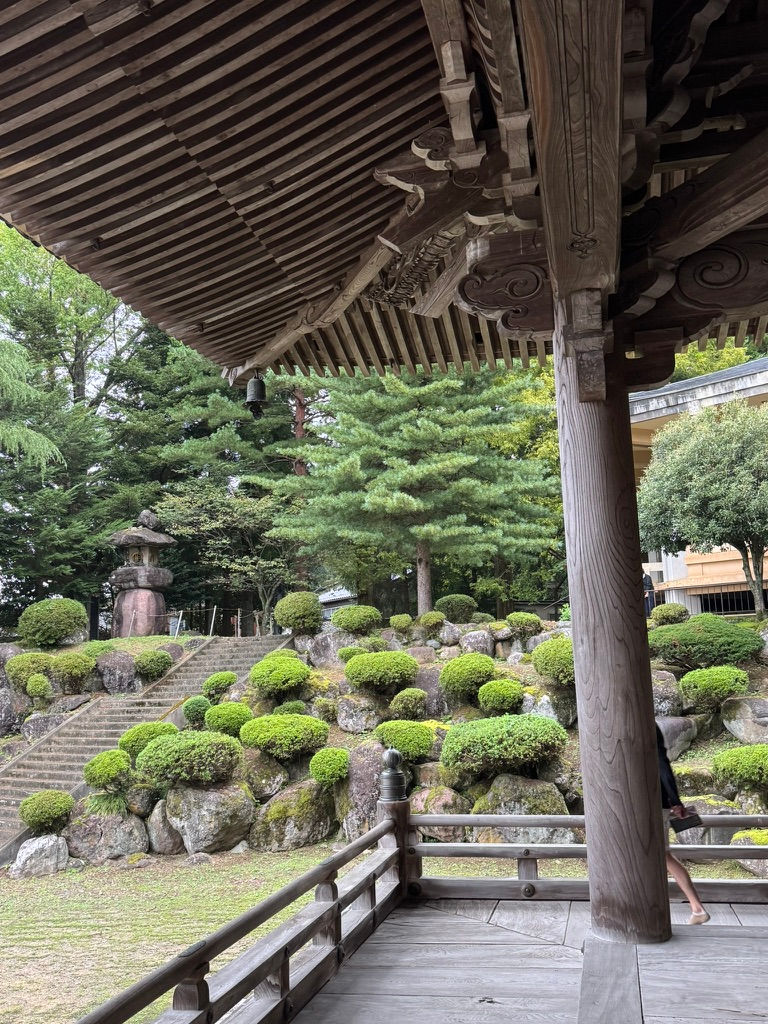
The mountains of central Honshu run through the heart of the island like a spine. The Hida, Kiso, and Akaishi ranges rise to peaks over three thousand meters high; snow dusts their summits into late spring and their steep, jagged slopes give way to narrow valleys carved by fast-flowing rivers. The communities that settled on this terrain were isolated from the rest of Japan for centuries, cut off by the heavy snowfall and rugged passes. Life here was shaped as much by what the alps provided as by what they denied.


Highlights

The Nakasendo Trail
One of five great roads built under the Tokugawa shogunate, the Nakasendo once connected Kyoto to Edo through the highlands, weaving through post towns, cedar forests, and river valleys. These stone paths have been worn smooth by processions of feudal lords and their samurai retinues; imperial brides bound for marriages in Edo; and merchants carrying silk, rice, and timber. Much of the trail remains unchanged since the Edo period, making the Nakesendo a road through Japanese history.
Eiheiji Temple: The Discipline of Zen
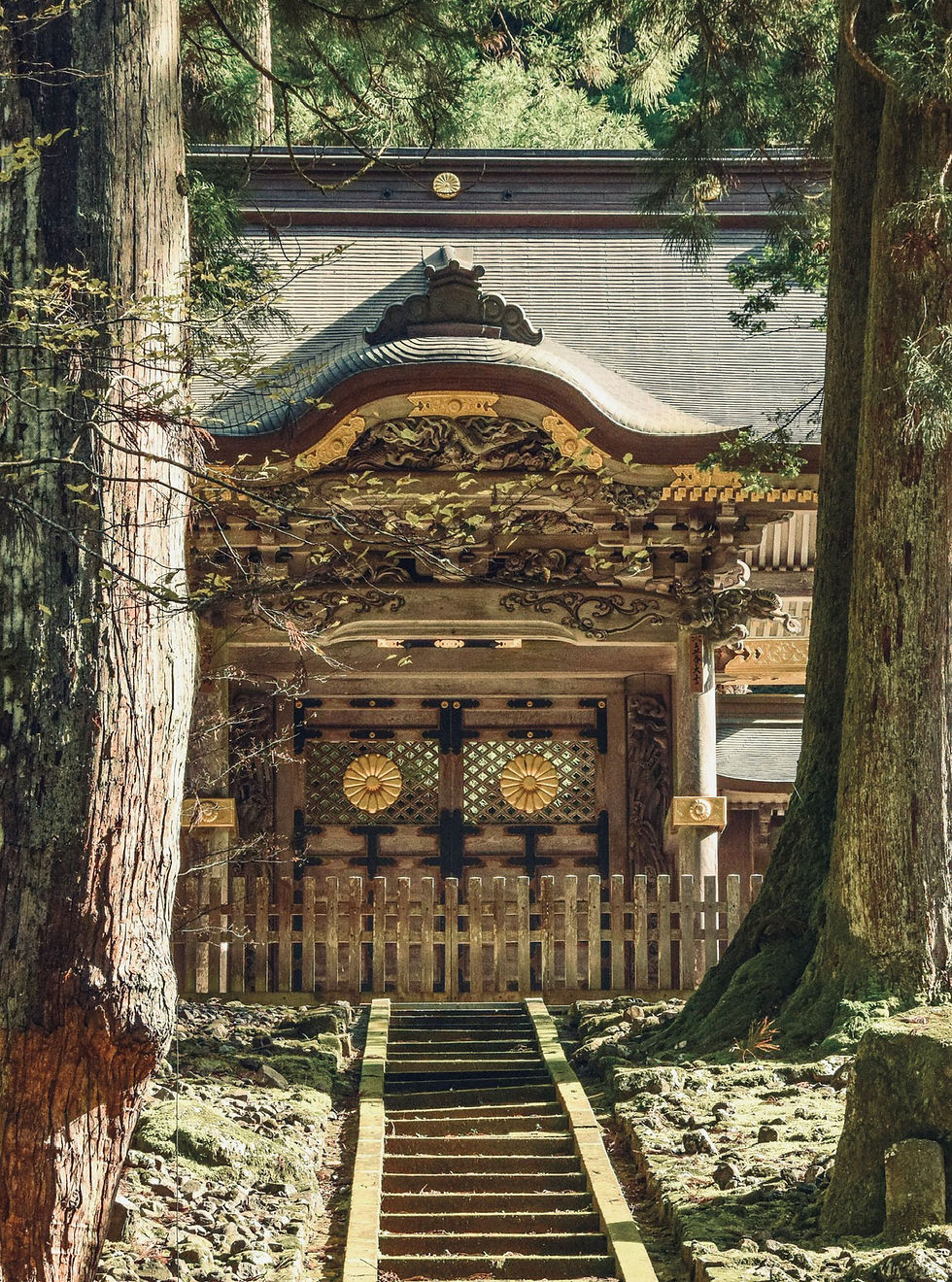
Founded in 1244 by the monk Dogen Zenji, Eiheiji is one of the two head temples of Soto Zen Buddhism and one of Japan’s most demanding training monasteries. Monks rise at three in the morning. They practice Zazen, sometimes for hours, meditating in a precise seated posture that Dogen held as an expression of enlightenment. As he philosophized that practice and realisation are not separate, every part of daily life at Eiheiji is held with the same seriousness as formal meditation: from eating, to walking, to cleaning corridors. In the mists of Fukui, the monks show that the sacred can be found in the mindful execution of the mundane.

Traditional Indigo Dyeing
Some craft traditions are passed down to the point where knowledge lives as much in the hands as in the mind. In a small workshop in the Kiso Valley, indigo dyeing follows a rhythm unchanged since the Edo period. An artisan tends to a vat of living dye, feeding it with bran, ash, and sake. She dips the fabric repeatedly, watching patterns emerge through shibori: cloth bound, folded, and stitched to resist colour. The resulting deep blue was once the shade of everyday Japan, worn by farmers, merchants, and labourers across the country.

Bath, Table, Sleep
The ryokan tradition of central Japan is among the more complete forms of hospitality anywhere. A ryokan in the mountains of central Honshu offers a single uninterrupted experience: bath, kaiseki meal, sleep, morning bath. Each step unhurried and considered. A natural hot spring feeds the ryokan bath. The meal is built around the season and surrounding landscape: mountain vegetables, river fish, sake brewed from local spring water. The rooms are studies of simplicity, designed to slow down the mind. To stay in a ryokan here is not only to rest, but to surrender.

The Art of the Katana
The Japanese sword is the result of centuries of refinement in metallurgy, geometry, and technique. Few places know this better than Seki, a city in Gifu prefecture that has drawn swordsmiths since the 13th century for its iron sand and charcoal forests. The sword-making process is a practice of precision and discipline: heating, folding, and hammering steel hundreds of times, before the blade is plunged into cold water to set its final form.
Folkcraft Villages
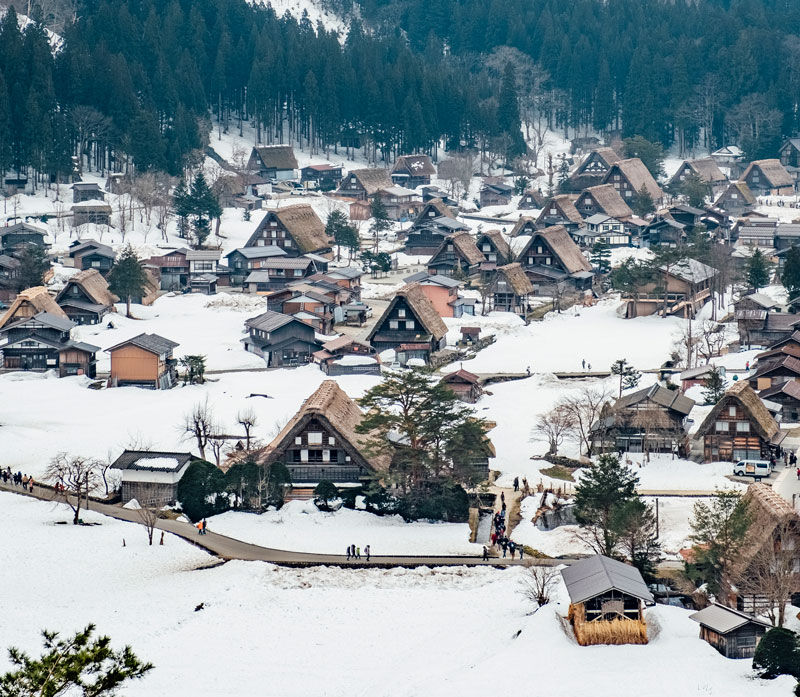
Shirakawa-go draws visitors from all over the world for its distinctive thatched rooflines, but across the valley, the same world continues in quieter form. In the Hida highlands, a small community continues the region’s traditions in two-hundred-year-old farmhouses that were built for silk cultivation and winter crafts. Washi papermakers rinse cooked bark in the currents of mountain rivers. Craftspeople make lacquer from urushi tree sap, patiently layering it over wooden bowls and utensils. Woodworkers shape vessels from single pieces of timber, following the wood’s natural figure. The forests, rivers, and long winters of the region made these crafts not a choice, but a necessity.
